supllier network
We work with 160 carefully selected suppliers, allowing us to maintain a consistent supply of roses. We currently cultivate 32 hectares, ensuring quality and traceability in every flower.
where our roses are born
Our company works with a well-established network of rose growers, ensuring quality, continuity, and a positive impact on the communities we collaborate with.
We work with 160 carefully selected suppliers, allowing us to maintain a consistent supply of roses. We currently cultivate 32 hectares, ensuring quality and traceability in every flower.
We have access to 62 rose varieties, tailored to different markets and preferences. This diversity allows us to offer options in color, size, and unique characteristics.
We currently operate across 32 hectares, but our supplier network has the capacity to supply up to 240 hectares. This allows us to respond flexibly to different order volumes without compromising quality.
We primarily support Indigenous producers, helping them strengthen their small businesses and improve their economic stability. Our work aims to create a positive impact on their families and communities by promoting fair and sustainable relationships.
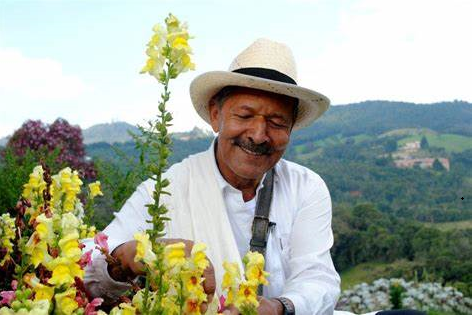
Don Jose Maria has a family unit consisting of 3 children aged 3 to 9, who are in primary and secondary school.
They are very good students and hope to attend university in the future to help their father.
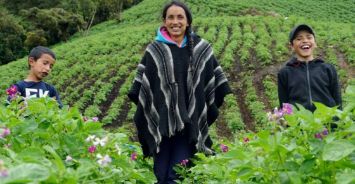
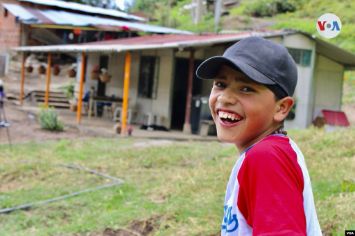
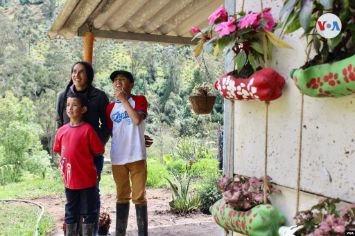
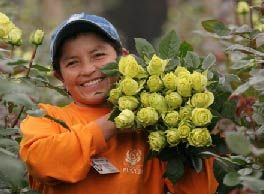
We are a close-knit family, working every day from 6:00 a.m. to 5:00 p.m. to grow the finest flowers that will adorn your home.